WiFi 6E or Matter Protocol: Which Upgrade Actually Moves the Needle for Your Smart Home?

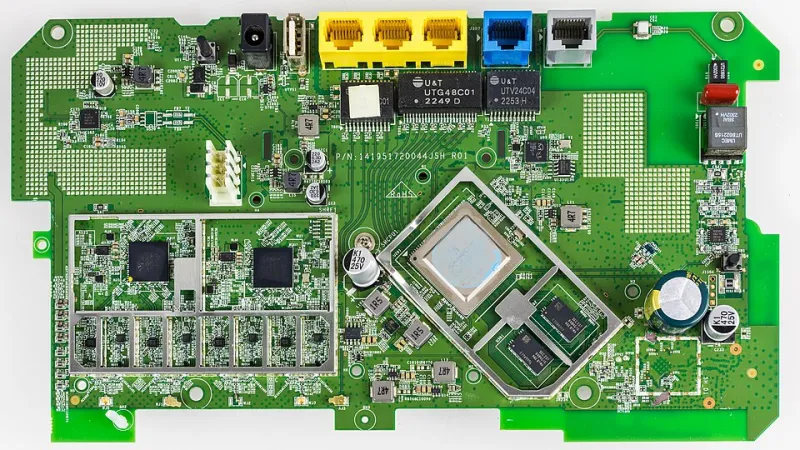
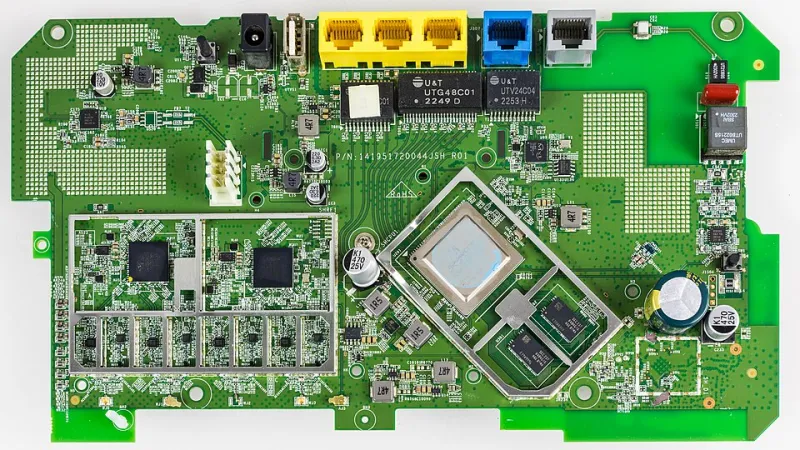
Photo: wifi 6e router smart home matter protocol devices comparison, via miredvista.co
If you've been keeping up with smart home tech over the past year or two, you've probably heard two terms thrown around constantly: WiFi 6E and Matter. Both get talked about as if they're going to revolutionize the connected home. Both involve real, meaningful improvements over what came before. And both require some investment to take full advantage of.
But here's the thing — they solve fundamentally different problems. And depending on your current setup, one of them is going to matter a whole lot more to you than the other right now.
Let's break it down in plain terms.
What WiFi 6E Actually Brings to the Table
WiFi 6E is an extension of WiFi 6 (also called 802.11ax) that adds access to the 6 GHz frequency band — a chunk of spectrum that, until recently, wasn't available for consumer WiFi use in the US. The FCC opened it up in 2020, and routers and devices have been rolling out support ever since.
The practical benefits come down to three things:
- More available channels. The 6 GHz band offers up to 59 additional non-overlapping channels in the US. That's a massive amount of breathing room compared to the crowded 2.4 GHz and 5 GHz bands.
- Less interference. Because 6 GHz is new and requires newer hardware, you're not competing with your neighbor's decade-old router or the apartment building's worth of overlapping networks.
- Lower latency. With less congestion and more direct channel access, devices on 6 GHz can communicate faster and more consistently.
For high-bandwidth applications — 4K streaming, video conferencing, cloud gaming — WiFi 6E is a genuine upgrade. In dense urban environments like New York City apartments or suburban neighborhoods where WiFi channels are heavily contested, the 6 GHz band is essentially a private highway.
The catch: Your devices need to support WiFi 6E to use the 6 GHz band. Most current smart home devices — your smart bulbs, plugs, sensors — don't and likely won't for a while. They'll still connect over 2.4 GHz or 5 GHz. So a WiFi 6E router benefits your laptops, phones, and streaming devices significantly, but its impact on your IoT ecosystem is more indirect.
What Matter Actually Solves
Matter is a different kind of technology entirely. It's not a wireless standard in the WiFi sense — it's an application-layer protocol, developed by the Connectivity Standards Alliance and backed by Apple, Google, Amazon, Samsung, and dozens of other manufacturers.
The problem Matter is designed to fix is interoperability. Before Matter, buying a smart home device meant committing to an ecosystem. A Philips Hue hub, a SmartThings hub, an Apple HomeKit setup — they all had different languages, different apps, different cloud dependencies. Getting devices from different brands to work together was often a frustrating exercise in workarounds.
Matter creates a common language that devices from different manufacturers can all speak natively. A Matter-certified light bulb should work with your Amazon Echo, your Apple HomePod, and your Google Nest Hub — without a brand-specific hub in the middle.
Matter runs over existing network infrastructure, primarily using Thread (a low-power mesh networking protocol) for battery-powered and low-bandwidth devices, and standard WiFi for higher-power devices. Thread requires a Thread border router — which is already built into newer Apple TV, HomePod, and some Google and Amazon devices.
The catch: Matter adoption is still in progress. The device catalog is growing, but it's not yet comprehensive. And while Matter promises seamless cross-platform control, the real-world experience can still be bumpy depending on which platforms and devices you're mixing.
Head-to-Head: Real-World Scenarios
Scenario 1: The Apartment Dweller in a Dense Urban Area
You're in a building with 50+ units, all running their own WiFi networks. Your 5 GHz band is congested, and you notice inconsistent speeds even on a decent router. You have a modest smart home setup — a few smart bulbs, a smart lock, and a streaming stick.
Better upgrade: WiFi 6E router. Your primary pain point is congestion and interference, and WiFi 6E directly addresses that for your phones, laptop, and streaming device. Your IoT devices will benefit indirectly from a less-loaded router.
Scenario 2: The Multi-Platform Smart Home
You've got a mix of Philips Hue lights, some Amazon smart plugs, a Google Nest thermostat, and an Apple HomePod you use for music. Managing everything requires juggling three different apps, and automations across platforms are clunky at best.
Better upgrade: Matter-compatible devices and a Thread border router. Your bottleneck is interoperability, not bandwidth. Gradually replacing or supplementing your devices with Matter-certified hardware will simplify your setup significantly over the next year or two.
Scenario 3: The Family Home with 40+ Connected Devices
You've got kids, multiple work-from-home setups, security cameras, a full suite of smart home gadgets, and a router that's starting to strain under the load. Speeds are inconsistent, and devices occasionally drop off the network.
Better upgrade: Both, but start with WiFi 6E mesh. The infrastructure needs to come first. A WiFi 6E mesh system will handle the device density and bandwidth demands better than almost anything else at the consumer level. Then, as you replace aging smart home devices, prioritize Matter-certified options.
Cost Reality Check
A solid WiFi 6E router in 2024 will run you anywhere from $200 to $600 depending on brand and whether you go mesh. That's a meaningful investment, but it's a one-time hardware purchase that benefits every device in your home immediately.
Matter adoption costs are more gradual. Many existing devices are receiving Matter support through firmware updates (especially newer Amazon, Apple, and Google hardware), so you may not need to replace much. New Matter-certified smart devices are generally priced comparably to their non-Matter equivalents at this point.
If budget is tight, the Matter path is arguably lower friction to start — especially if you already own devices that are getting Matter support via update.
The Honest Bottom Line
WiFi 6E and Matter aren't really competitors — they operate at different layers of your smart home stack. WiFi 6E is about the speed and quality of your wireless infrastructure. Matter is about how devices communicate and cooperate with each other once they're on the network.
For most US households in 2024, WiFi 6E is the higher-impact near-term upgrade if your network is struggling. It's a concrete, measurable improvement that you'll feel across all your devices.
Matter is the more exciting long-term development — it's gradually eliminating the ecosystem lock-in that has frustrated smart home users for years. But it's a slower burn, and its full potential depends on manufacturer adoption that's still catching up.
The smartest play? Build a solid WiFi 6E foundation now, and let your smart home ecosystem gradually migrate to Matter as devices come up for replacement. That way you're not betting everything on one upgrade — you're building a setup that can actually keep pace with where the technology is heading.